
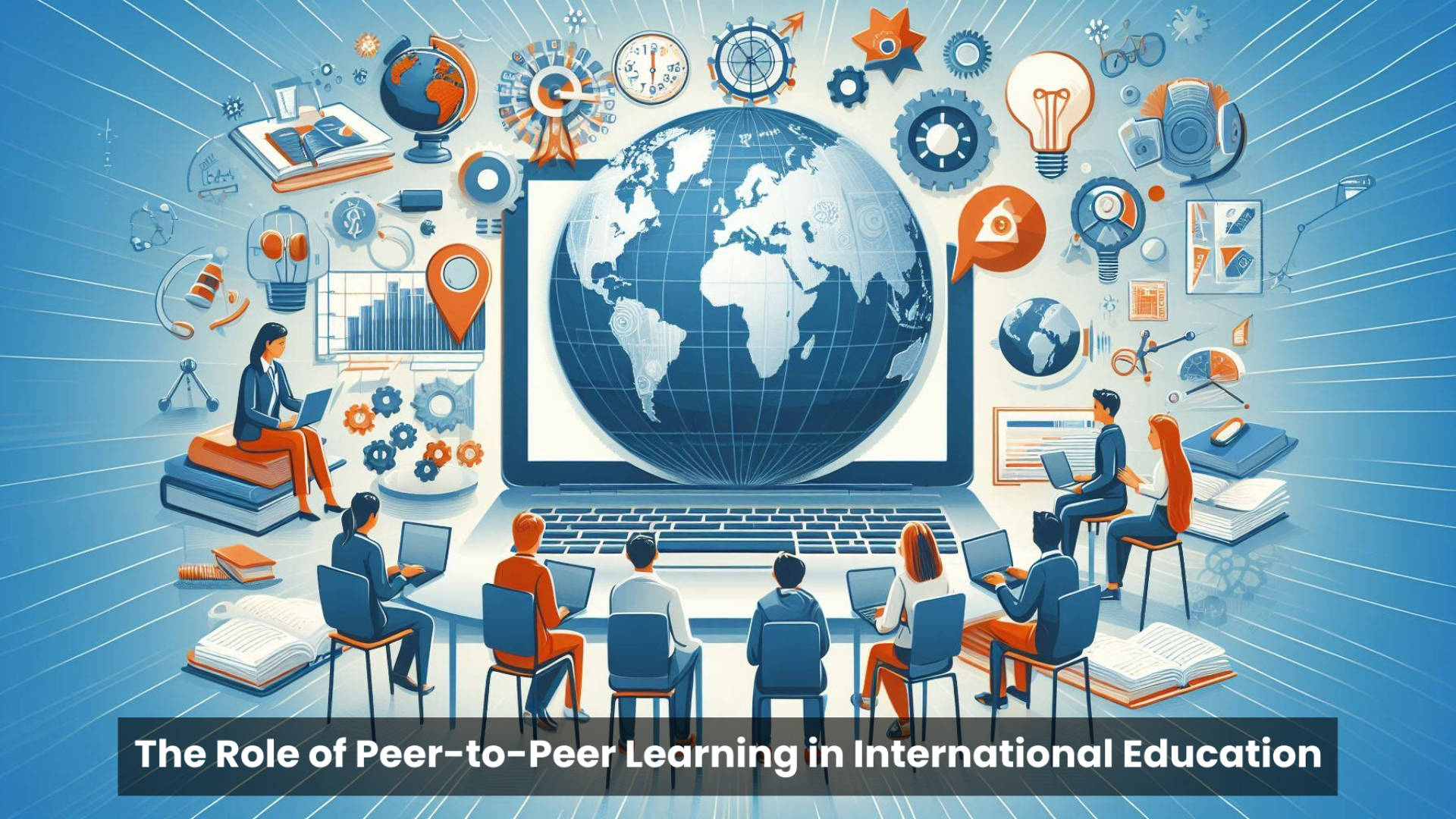

Exploring the Dynamics of Peer-to-Peer Learning Abroad
In today’s globalized world, education transcends borders. As students increasingly seek educational opportunities beyond their home countries, the role of peer-to-peer learning in international education has become paramount. Peer-to-peer learning in abroad education not only facilitates academic growth but also fosters cultural understanding and personal development. This article delves into the significance of peer-to-peer learning in international education, examining its benefits, challenges, and impact on students’ experiences abroad.
Understanding Peer-to-Peer Learning
Peer-to-peer learning is a collaborative approach where students learn from and with each other, leveraging their diverse backgrounds, perspectives, and experiences. In the context of international education, this form of learning takes on added significance as students from different countries and cultures come together in a shared academic environment. Whether through group projects, discussions, or informal interactions, peer-to-peer learning enriches the educational experience by promoting cross-cultural exchange and mutual learning.
Enhancing Academic Excellence
One of the key benefits of peer-to-peer learning in international education is its ability to enhance academic excellence. By engaging with peers from diverse cultural and educational backgrounds, students gain fresh insights, alternative perspectives, and innovative approaches to problem-solving. Collaborative learning environments foster intellectual curiosity and critical thinking skills, enabling students to explore complex concepts and disciplines more effectively.
Moreover, peer-to-peer learning encourages active participation and knowledge sharing, creating a dynamic learning community where each student contributes their unique expertise and understanding. Through collaborative projects and study groups, students not only deepen their understanding of course materials but also develop essential teamwork and communication skills essential for success in today’s interconnected world.
Cultural Exchange and Global Awareness
Beyond academic pursuits, peer-to-peer learning in international education promotes cultural exchange and global awareness. Interacting with classmates from different countries exposes students to diverse perspectives, traditions, and societal norms, fostering empathy, tolerance, and appreciation for cultural diversity. Through shared experiences both inside and outside the classroom, students develop cross-cultural communication skills and intercultural competence, essential attributes for navigating an increasingly diverse and interconnected world.
Peer-to-peer learning also serves as a platform for breaking down stereotypes and challenging preconceived notions about other cultures. By engaging in meaningful dialogue and collaboration, students learn to recognize and value the richness of cultural diversity, paving the way for greater global cooperation and understanding.
Personal Growth and Development
In addition to academic and cultural enrichment, peer-to-peer learning in international education facilitates personal growth and development. Living and studying in a foreign country can be a transformative experience, challenging students to step outside their comfort zones, adapt to new environments, and embrace unfamiliar perspectives. Peer-to-peer interactions provide support, encouragement, and camaraderie, helping students navigate the complexities of studying abroad and fostering a sense of belonging in a foreign setting.
Furthermore, peer-to-peer learning encourages self-reflection and introspection as students confront their own biases, assumptions, and worldview. Through meaningful exchanges and shared experiences, students gain a deeper understanding of themselves and their place in the world, fostering personal growth, resilience, and self-awareness.
Challenges and Considerations
While peer-to-peer learning in international education offers numerous benefits, it also presents challenges and considerations that must be addressed. Language barriers, cultural differences, and communication styles can sometimes hinder effective collaboration and understanding among peers. Moreover, power dynamics and unequal access to resources may impact the dynamics of peer-to-peer interactions, requiring educators to foster inclusive and equitable learning environments.
Additionally, navigating diverse learning styles and academic expectations can pose challenges for students accustomed to different educational systems. It is essential for educators to provide support, guidance, and resources to help students acclimate to their new academic environment and maximize the benefits of peer-to-peer learning.
Conclusion
Peer-to-peer learning plays a vital role in international education, enriching the academic experience, promoting cultural understanding, and fostering personal development. By engaging with peers from diverse backgrounds, students not only enhance their academic knowledge but also develop essential skills and competencies for success in today’s globalized world. As educators and institutions continue to prioritize intercultural exchange and collaboration, peer-to-peer learning will remain a cornerstone of international education, empowering students to thrive in an increasingly interconnected and diverse society.